
E Commerce Website Development Service Bangalore
Build an Ecommerce Website Designed Around Your Business
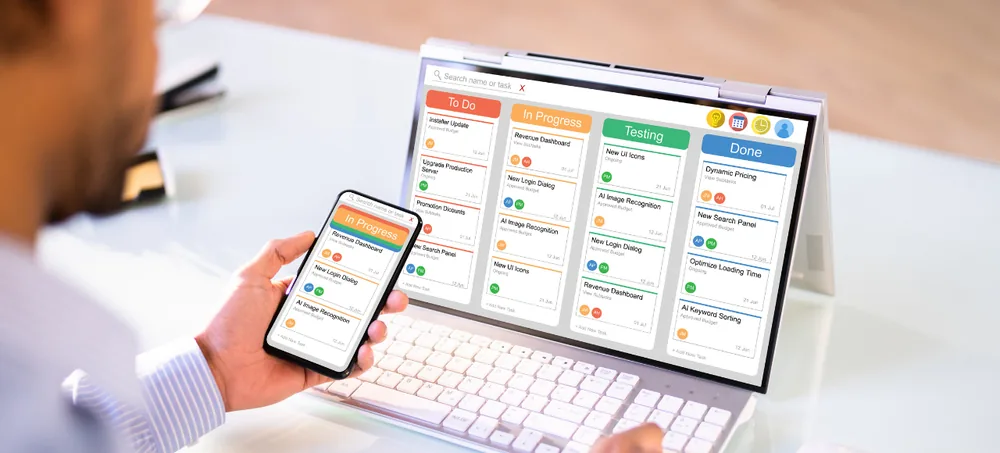
Your ecommerce website is more than an online catalogue. It is a digital storefront, customer experience platform and operational channel that connects products, customers, orders, payments and business processes.
EchoPx provides e commerce website development service Bangalore businesses can use to establish, redesign or expand their online selling presence with a structured and business-focused approach. We develop ecommerce websites around your products, customers, sales process, catalogue structure and operational requirements.
From product discovery and category navigation to shopping cart, checkout, payment integration and order management, the website is planned as an integrated customer journey rather than a collection of disconnected pages.
Whether you are launching a new online store, moving an existing business into ecommerce, redesigning an outdated website or improving an established ecommerce operation, the process should begin with understanding how your business actually sells.
Get a Free Quote
Experience Behind Every Ecommerce Project
EchoPx brings more than 19+ years of experience, 1500+ clients and 1700+ projects to digital development engagements.
Why Businesses Need a Purpose-Built Ecommerce Website
Customers expect online shopping to be convenient. They want to find products quickly, understand product details, compare available options, complete payment without unnecessary friction and receive clear information about their orders. For businesses, however, ecommerce involves much more than creating product pages.
A functioning online store needs to connect product and category management, search and filtering, customer accounts, cart, checkout, payment processing integration, order management, inventory visibility, pricing and promotional rules, customer communication, reporting, business administration, search engine optimization and mobile-friendly shopping experiences.
When these areas are not planned together, businesses may encounter duplicated data, manual order processing, unclear inventory information, difficult catalogue updates, inconsistent customer experiences and unnecessary administrative work. A project should therefore consider both the customer-facing shopping journey and the internal business workflow.
Common Ecommerce Business Problems
Customers Cannot Find Products Easily
A large catalogue can become difficult to navigate when categories, filters and search are not properly structured. A well-planned website organizes products into logical categories and provides search and filtering that support faster product discovery.
Product Information Is Difficult to Manage
Stores may have hundreds or thousands of products with different descriptions, images, prices, variants and attributes. Practical administration lets authorized business users manage catalogue information efficiently.
Mobile Shopping Is Not Convenient
A website designed primarily for large desktop screens can make navigation, product images, buttons, forms and checkout hard to use on smaller devices. Responsive design lets important shopping functions adapt to different screen sizes.
Checkout Is Complicated
Customers can abandon a purchase when checkout requires unnecessary steps or presents unclear information. A practical checkout makes it easy to review products, provide delivery information, select payment options and confirm an order.
Orders Require Excessive Manual Work
If orders are not organized through a structured workflow, employees may manually check order information, payment status, customer details and fulfilment requirements. Centralized order management helps organize these activities.
Business Data Is Fragmented
When ecommerce information exists across disconnected systems, teams struggle to understand sales activity, inventory and customer orders. Appropriate integrations and centralized processes reduce duplication and improve operational visibility.
The Existing Website Is Difficult to Expand
A website may satisfy basic requirements but become hard to manage as products, customers, locations, sales channels and integrations increase. Development should consider current needs while leaving room for future configuration and development.
Ecommerce Website Development Services in Bangalore
EchoPx provides ecommerce website development services in Bangalore with a focus on business requirements, customer experience and integrated ecommerce workflows.
Ecommerce Website Design and Development
We create ecommerce websites that combine structured navigation, product presentation, responsive layouts and practical business functionality.
The process considers how customers discover products, evaluate options and complete purchases, so the store is designed around the actual buying journey rather than simply displaying products on pages.
Custom Ecommerce Website Development
Every business has different products, pricing structures, customers and operating processes. Custom development lets the website be configured and developed according to those requirements.
Customization can cover:
Product structures · Category architecture · Customer roles · Product attributes · Pricing workflows · Order processes · Approval workflows · Business rules · Reports · Integrations · Administrative interfaces · Customer-facing functionality
B2C Ecommerce Website Development
B2C ecommerce websites are designed for businesses selling directly to individual customers. The website needs to make the journey clear and convenient while giving business users appropriate tools for managing products and orders.
Product discovery → Product selection → Cart → Checkout → Payment → Order confirmation → Fulfilment → Customer communication
B2B Ecommerce Website Development
B2B ecommerce can involve different requirements from conventional consumer shopping. A B2B website should reflect the commercial relationship between buyer and seller rather than simply replicate a consumer shopping experience.
Customer-specific pricing · Business accounts · Multiple users · Product catalogues · Approval workflows · Repeat ordering · Bulk purchasing · Order history · Business-level information · Structured quotation or enquiry processes
Ecommerce Website Redesign
An outdated ecommerce website may continue to function while creating limitations for customers and internal teams. A redesign project can examine:
Existing navigation · Product discovery · Mobile experience · Checkout flow · Content structure · Catalogue organization · Administrative workflows · SEO architecture · Integration requirements
The goal is not simply to change the appearance of the website but to improve how the website supports the business.
Ecommerce Website Development for Growing Businesses
Startups and growing businesses may begin with a simple product catalogue and gradually introduce additional categories, customer groups, integrations and operational requirements.
A structured architecture allows the website to evolve with those requirements. The initial implementation can focus on essential functionality while leaving room for future configuration and development.
Ecommerce Website Features
A successful ecommerce website combines customer-facing functionality with business administration. Each feature should have a clear purpose.
Product Catalogue Management
Business users organize products, categories, attributes, pricing information, descriptions and images, maintaining consistent product information and making updates more efficiently.
Product Categories
Structured categories help customers navigate large catalogues and can be organized around product type, use case, brand, collection or other attributes. A logical structure also supports ecommerce SEO.
Product Search
Search lets customers locate products without navigating every category, and becomes especially valuable for stores with extensive catalogues.
Product Filters
Filters narrow results by relevant attributes.
Price · Brand · Size · Colour · Product type · Availability · Material · Specifications · Business-specific attributes
Product Pages
Product pages give customers the information required to evaluate a purchase and answer questions before checkout.
Product name · Description · Images · Specifications · Variants · Pricing · Availability · Related products · Reviews · Delivery information · Calls to action
Shopping Cart
The cart summarizes selected products before checkout, making quantities, product information, pricing and totals clear so customers can review their purchase.
Checkout
Checkout connects the shopping journey with the order process and can be configured to the business model.
Customer information · Delivery details · Billing details · Order summary · Shipping options · Payment selection · Order confirmation
Payment Gateway Integration
Payment gateway integration connects checkout with the selected payment service. The provider and approach are determined during planning based on business requirements and supported payment methods. For Indian customers, requirements may include cards, UPI and other supported digital payment options depending on the provider.
Order Management
A centralized way to review and process orders, helping employees manage orders more consistently.
Customer details · Products purchased · Quantity · Order value · Payment status · Delivery information · Order status · Order history
Inventory Visibility
Inventory information can be connected with ecommerce workflows so customers and business users have appropriate visibility into availability. A simple store may need basic stock tracking, while a larger operation may need structured inventory workflows and integrations.
Customer Accounts
Accounts let shoppers maintain information associated with their purchases.
Profile information · Saved addresses · Order history · Reorder options · Wishlist functionality · Account preferences
Wishlist
Lets customers save products for future consideration, useful for products that require comparison, planning or delayed purchase decisions.
Promotions and Offers
The website can be configured around business rules for promotions, discounts or offers, planned carefully so pricing and eligibility rules remain clear to customers and business users.
Reviews and Ratings
Where appropriate, review functionality can be incorporated into the product experience according to the business requirements and content management process.
Reporting and Analytics
Reports help business users understand ecommerce activity, with requirements defined during planning.
Orders · Sales · Products · Categories · Customers · Inventory · Operational activity
Ecommerce Workflow Development
Ecommerce websites become more useful when individual features work together as business workflows.
Sales Workflow
Customer visits website → Searches or browses products → Views product details → Adds product to cart → Proceeds to checkout → Provides required information → Selects payment option → Places order → Order is recorded → Business processes order
Each stage should be designed to support the next stage.
Purchase Workflow
Requirement identified → Purchase request → Approval → Supplier selection → Purchase order → Receipt → Inventory update → Financial processing
For businesses that also manage procurement, ecommerce operations may connect with purchasing. The exact process depends on the internal purchasing structure.
Inventory Workflow
Product created → Stock recorded → Product displayed → Customer places order → Stock availability updated → Order fulfilled → Inventory information updated
Where more advanced inventory requirements exist, additional business rules and integrations can be considered.
Approval Workflow
Some businesses require approval before specific activities are completed. Approval workflows can be designed around business requirements such as:
Purchase approvals · Discount approvals · Product publication · Customer account approvals · Order-related approvals · Business-specific operational decisions
Finance Workflow
Order created → Payment status recorded → Invoice information generated → Financial records updated → Reporting
Ecommerce transactions can generate financial information that may need to connect with business finance processes. Integration requirements are defined from the systems already used.
Reporting Workflow
Transaction or activity recorded → Data organized → Report generated → Business user reviews information → Operational decision
Operational data can be organized into reports for management and business teams.
SEO-Friendly Architecture and Mobile Responsive Ecommerce Development
Ecommerce SEO-Friendly Website Architecture
Ecommerce SEO should be considered during website development rather than treated as a separate activity after launch, so search engines can understand the relationship between products, categories and other content. An SEO-conscious architecture can consider:
Logical URL structures · Category hierarchy · Product page organization · Internal linking · Breadcrumb navigation · Page titles · Meta descriptions · Image optimization · Structured data where appropriate · XML sitemap requirements · Canonicalization · Indexation management · Mobile responsiveness · Content structure · Redirect planning during redesigns
The purpose is a website that is understandable to both users and search engines. For searches such as "e commerce website development service Bangalore" and "ecommerce website development Bangalore", the content should clearly communicate services, capabilities, business relevance and location.
Mobile Responsive Ecommerce Development
Mobile users need a shopping experience that works across different screen sizes. Responsive ecommerce development considers:
Mobile navigation · Product image presentation · Product information hierarchy · Search · Filters · Buttons · Forms · Cart · Checkout · Account pages
The objective is to make essential shopping actions practical across desktop, tablet and mobile devices. A mobile-first perspective can also influence how information is prioritized, so customers can understand products and complete important actions without navigating unnecessarily complex interfaces.
Integrations for Ecommerce Websites
Ecommerce websites rarely operate in isolation. Depending on the business model, integrations may be required with:
Business Systems
Accounting systems · ERP systems · CRM systems · Inventory systems
Commerce Services
Payment services · Shipping or logistics services · Marketing platforms · Customer communication tools
Data and APIs
Analytics platforms · External APIs
Integration planning should begin during the discovery stage: what information needs to move between systems, when it needs to move and which system should remain the primary source for specific data. This reduces the risk of an ecommerce workflow that works independently but creates additional manual work elsewhere.
Business Benefits of Ecommerce Website Development
Centralized Ecommerce Operations
A structured website can bring products, customers, orders and sales processes into a more centralized environment.
Better Customer Navigation
Logical categories, search, filters and product pages help customers move through the catalogue.
More Structured Order Processing
Centralized order information gives business users a consistent place to review and process transactions.
Improved Operational Visibility
Integrated business processes can provide better visibility into activities otherwise distributed across different tools.
Flexible Business Workflows
Configurable workflows allow ecommerce processes to reflect business-specific requirements.
Better Mobile Accessibility
Responsive design allows customers to access the online store across a wider range of devices.
Support for Business Growth
A properly planned platform can provide a foundation for additional products, workflows, integrations and customer requirements.
Industries That Can Use Ecommerce Website Development
Ecommerce is applicable across many business models.
Retail
Present product catalogues, accept online orders and manage customer purchasing journeys.
Fashion and Apparel
Variants such as size, colour, style and collection, organized to make product selection easier.
Electronics
Detailed specifications and multiple attributes, with search, filtering and product comparison to help customers evaluate products.
Furniture and Home Products
Rich product information, images, dimensions, materials and category structures.
Beauty and Personal Care
Products organized by category, use case, ingredients, product type or other attributes.
Food and Grocery
Structured catalogues, availability information, delivery workflows and repeat purchasing functionality.
Manufacturing
Direct sales, dealer interactions or B2B ordering processes depending on the business model.
Wholesale and Distribution
Customer-specific pricing, business accounts, bulk ordering and approval workflows.
Consumer Products
Direct digital sales channels and centralized product information.
B2B Businesses
Structured digital purchasing workflows for business customers with account-level processes.
Our Ecommerce Website Development Process
1. Business Requirement Discovery
The project begins with understanding the business, to define what the website needs to accomplish. This includes reviewing:
Products · Customers · Sales channels · Catalogue size · Pricing structure · Order process · Payment requirements · Delivery requirements · Inventory requirements · Existing systems · Integration needs · Reporting requirements
2. Ecommerce Strategy and Planning
Requirements are organized into a practical website structure.
Sitemap · Product hierarchy · Category structure · Customer journeys · Checkout workflow · Administrative functions · Integration requirements · SEO architecture
3. UX and UI Design
The design stage focuses on how users interact with the website, making important actions clear across desktop and mobile. Important screens may include:
Homepage · Category pages · Search results · Product pages · Cart · Checkout · Customer account · Order information · Contact and support pages
4. Ecommerce Development
Development converts the approved structure and designs into functional capabilities: product management, customer management, cart, checkout, order processing and other required functions according to the agreed scope.
5. Integration
Required payment, ERP, CRM, inventory, accounting, logistics or third-party integrations are addressed according to project requirements.
6. Testing
Testing covers important customer and business workflows, including:
Product browsing · Search · Filters · Product selection · Cart · Checkout · Payment workflow · Order creation · Customer account · Administrative processes · Responsive layouts · Integration workflows
7. Launch Preparation
Before launch, the business should review content, product information, configurations, payment setup, administrative access and required operational workflows.
8. Ongoing Enhancement
Requirements change as products, customers and processes evolve, so additional configuration and development can be planned after the initial implementation according to business priorities.
How Much Does Ecommerce Website Development Cost in Bangalore?
The cost varies according to project scope. There is no single price that applies to every online store because requirements can differ significantly.
Factors That Can Influence Project Scope
Number of products · Catalogue complexity · Custom design requirements · Customer account requirements · B2B or B2C model · Payment integrations · Inventory requirements · ERP integration · CRM integration · Shipping integrations · Product variants · Promotions · Reporting · Custom workflows · Third-party integrations · Mobile requirements · Migration from an existing ecommerce website
Discuss Pricing After Requirements
A small catalogue with straightforward checkout is different from a B2B platform with customer-specific pricing, approval workflows and multiple integrations.
For this reason, ecommerce website pricing should be discussed after understanding the actual business requirements.
What to Consider Before Hiring an Ecommerce Development Company in Bangalore
Understand Your Business Model
Clarify whether the website will serve B2C customers, B2B buyers, distributors, wholesalers, marketplace participants or a combination.
Define Your Product Structure
Determine how products, categories, attributes, variants and pricing should be organized.
Map the Customer Journey
Identify how customers should discover products, evaluate them, add products to the cart and complete payment.
Identify Internal Workflows
Document how orders, inventory, purchasing, approvals, fulfilment and finance activities are handled.
List Required Integrations
Identify the systems that need to exchange information with the ecommerce platform.
Consider SEO During Development
Discuss URLs, category architecture, product pages, redirects, indexation and structured data before development is completed.
Plan for Mobile Users
Ensure that important shopping journeys work across mobile devices.
Define Administrative Requirements
Business teams need appropriate tools to manage products, customers, orders and other operational information.
Think About Future Requirements
Consider whether the website can accommodate additional products, customers, integrations and workflows as the business changes.
Why Choose EchoPx for Ecommerce Website Development in Bangalore?
Choosing an ecommerce development partner involves more than comparing design portfolios. EchoPx is a custom ecommerce website design and development company that approaches ecommerce with business processes in mind: product catalogues, customer journeys, order workflows, integrations, reporting and long-term operational requirements.
19+ Years of Experience
This experience supports a structured approach to understanding business needs and translating them into practical digital workflows.
1500+ Clients
Experience working across varied business requirements.
1700+ Projects
Experience across different digital requirements and implementation scenarios.
Business-Focused Development
An ecommerce website should support business operations, not simply provide an attractive interface, so the approach considers how products, customers, orders, payments and workflows connect.
Configurable Workflow Approach
Ecommerce can be considered alongside broader operational processes, with configuration and development according to business requirements where cloud ERP integration is needed.
Practical Ecommerce Architecture
Technology and features are selected according to business needs, focusing on the workflows and customer experiences that matter to the specific ecommerce model rather than unnecessary functionality.
How Bangalore Businesses Search for Ecommerce Website Development
Businesses searching for an e commerce website development service Bangalore also look for ecommerce website development Bangalore, ecommerce website development company Bangalore, ecommerce web development Bangalore, ecommerce website design Bangalore, ecommerce development services Bangalore, online store development Bangalore, ecommerce website design company Bangalore, custom ecommerce website development Bangalore, ecommerce solutions Bangalore and ecommerce development company Bangalore.
Longer searches include best e commerce website development service in Bangalore, custom ecommerce website development services in Bangalore, ecommerce website development company for businesses in Bangalore, professional ecommerce website development Bangalore, ecommerce web design and development services Bangalore, ecommerce website development for small business Bangalore, B2B ecommerce website development Bangalore, B2C ecommerce website development Bangalore, online shopping website development Bangalore, ecommerce website redesign services Bangalore, ecommerce website development with payment gateway integration Bangalore and mobile responsive ecommerce website development Bangalore. EchoPx makes no ranking claims: the right partner depends on your requirements.
Related topics include online store, ecommerce platform, shopping cart, product catalogue, product pages, category pages, checkout, payment gateway integration, order management, inventory management, customer accounts, product search, product filters, responsive ecommerce design, mobile commerce, ecommerce SEO, product discovery, digital storefront, online payments, sales workflow, purchase workflow, customer experience, conversion-focused design, business automation, ecommerce integration, analytics, reporting and promotional campaigns.
Location searches include Bangalore ecommerce website development, Bengaluru ecommerce website development, ecommerce development company in Bangalore, ecommerce website design in Bengaluru, ecommerce web development company Bangalore, ecommerce solutions Bengaluru, online store development Bangalore and ecommerce developers Bangalore. EchoPx is based in Rajajinagar, Bengaluru.
Find Us in Bangalore
EchoPx, Rajajinagar
Address:
177, 19th Main Rd, A Block, Milk Colony, Rajajinagar, Bengaluru 560021
Landmark: Sri Shakti Devi Karumari Amman Temple
Phone: +91 97399 66977
Email: info@echopx.com
Office hours:
Monday to Friday: 10am to 5pm
Saturday: 10am to 2pm
Sunday: closed
Areas served in and around Bangalore:
- Rajajinagar (HQ)
- Malleshwaram
- Vijayanagar
- Basaveshwaranagar
- Nandini Layout
- Prakash Nagar
- Kamakshipalya
- Yeshwanthpur
- Mahalakshmipuram
- ISRO Layout
Frequently Asked Questions About Ecommerce Website Development in Bangalore
What is ecommerce website development?
Ecommerce website development is the process of planning, designing and developing an online store that allows businesses to present products or services, manage customer interactions and support online purchasing workflows. A complete ecommerce project can include product catalogue management, search, product pages, cart, checkout, payment integration, order management, customer accounts, reporting and business integrations.
Why should I choose an ecommerce website development service in Bangalore?
Bangalore has a strong technology ecosystem and a wide range of businesses that require digital commerce solutions. For a Bangalore-based business, working with an ecommerce development team in the city can provide a practical communication and project collaboration environment. The most important consideration, however, is whether the development partner understands your ecommerce business model, workflows, integrations and customer requirements.
How much does ecommerce website development cost in Bangalore?
Ecommerce website development cost depends on the required functionality and project scope. Important considerations include design requirements, catalogue complexity, payment integrations, customer workflows, inventory, ERP or CRM integrations, reporting and custom development. A requirement-based discussion is the appropriate way to determine the scope and corresponding commercial proposal.
Can you develop a custom ecommerce website?
Yes. Ecommerce websites can be configured and developed according to specific business requirements. Customization may include product structures, customer workflows, business rules, order processes, integrations, reports and other required functionality. For cloud ERP-related requirements, customization means configuration and development within the SaaS platform according to business requirements.
Is ecommerce website development suitable for small businesses?
Yes. Small businesses can use ecommerce websites to establish a digital sales channel and manage product information and online orders. The important consideration is to start with the functionality the business actually needs rather than adding unnecessary complexity. The platform and workflow can then be expanded as requirements evolve.
Can you develop B2B ecommerce websites?
B2B ecommerce can include business accounts, customer-specific pricing, bulk ordering, approvals, repeat orders and other business-oriented workflows. The exact functionality depends on how the business sells to its customers and how orders are currently processed.
Can you develop B2C ecommerce websites?
Yes. B2C ecommerce websites can be developed around consumer shopping journeys that include product discovery, product selection, cart, checkout, payment and order management.
Can payment gateways be integrated?
Payment gateway integration can be included based on the business's selected payment provider and technical requirements. The available payment methods, transaction flow and integration requirements should be reviewed during project planning.
Will the ecommerce website be mobile responsive?
Responsive ecommerce design can be incorporated so that important shopping functions work across desktop, tablet and mobile screen sizes. Mobile responsiveness should cover navigation, product pages, search, cart, checkout and customer account areas.
Can an ecommerce website be integrated with ERP software?
Yes, ecommerce systems can be connected with ERP platforms when integration requirements are clearly defined. Potential integration areas can include products, inventory, customers, orders, invoices and other business information. The exact integration depends on the systems involved and the required data flow.
Can an ecommerce website be integrated with CRM systems?
CRM integration can be considered where customer or sales information needs to move between the ecommerce website and CRM system. The integration scope should define which information is synchronized and when synchronization occurs.
Can you redesign an existing ecommerce website?
Yes. An ecommerce redesign can address user experience, navigation, catalogue structure, mobile responsiveness, checkout workflows, SEO architecture and integrations. The existing website should first be assessed to identify what needs to be retained, improved or replaced.
How long does ecommerce website development take?
Project duration depends on the scope. A straightforward online store and a complex ecommerce platform with extensive integrations have very different implementation requirements. The development schedule should be established after reviewing the number of features, integrations, design requirements, catalogue requirements and business workflows.
Does ecommerce development include SEO?
SEO requirements can be considered as part of ecommerce website architecture. Important areas include URL structure, category organization, product pages, internal linking, metadata, image optimization, mobile responsiveness, indexation and redirects. Ongoing SEO activity can be planned separately according to the business's marketing requirements.
Can the website support large product catalogues?
Ecommerce architecture can be planned around catalogue size and complexity. Businesses with large catalogues may require structured categories, search, filtering, product attributes and efficient product management. The appropriate architecture should be determined from actual catalogue requirements.
Can ecommerce workflows be customized?
Yes. Business-specific workflows can be addressed through configuration and development according to requirements. Examples include approval workflows, customer-specific processes, order workflows, purchasing processes and reporting.
What should I prepare before starting an ecommerce website project?
Useful information includes: Business model, Product catalogue, Customer types, Pricing approach, Payment requirements, Delivery process, Inventory process, Existing website information, Existing software systems, Required integrations, Reporting requirements, Design preferences, SEO requirements. Having this information available helps define the project scope more accurately.
Where is EchoPx located?
EchoPx is at 177, 19th Main Rd, A Block, Milk Colony, Rajajinagar, Bengaluru 560021, near Sri Shakti Devi Karumari Amman Temple. See the map and office hours in the Find Us in Bangalore section above.
What other ecommerce services does EchoPx offer?
EchoPx is a custom ecommerce website design and development company. Related pages cover ecommerce website developers in Bangalore, designer ecommerce websites in Bangalore, custom ecommerce website development in Bangalore, ecommerce site development cost in Bangalore, ecommerce web development firms in Bangalore and ecommerce web apps in Bangalore.
Start Your Ecommerce Website Development Project
A successful ecommerce website should make it easier for customers to discover products, understand what they are buying, complete their purchase and receive clear order information. For the business, it should provide structured processes for managing products, orders, customers and related operations.
EchoPx provides e commerce website development service in Bangalore with a focus on responsive design, ecommerce functionality, configurable workflows, integrations and practical business requirements. With 19+ years of experience, 1500+ clients and 1700+ projects, EchoPx brings established experience to digital development requirements.
Planning an ecommerce website in Bangalore? Whether you are launching a new online store, redesigning an existing ecommerce website, developing a B2B purchasing portal or connecting ecommerce with broader business processes, share your business requirements, product structure, customer model and operational needs with EchoPx and identify the features, workflows, integrations and approach appropriate for your business.
Email: info@echopx.com