
E Commerce Website Developer Bangalore
Build an Ecommerce Website Around the Way Your Business Actually Sells
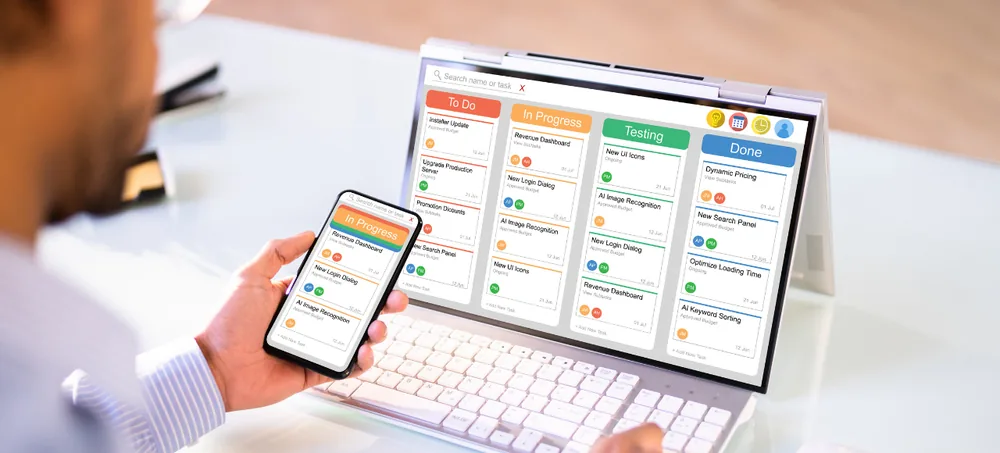
An ecommerce website is more than a collection of product pages and a shopping cart. It is a working sales platform connecting your products, customers, pricing, payments, orders, inventory, delivery processes and internal business operations.
As an e commerce website developer Bangalore businesses can brief directly, EchoPx provides ecommerce website development in Bangalore for businesses that want an online store designed around their actual selling requirements rather than a generic storefront.
Whether you are launching your first online store, replacing an outdated ecommerce website, developing a B2B ordering portal, building a direct-to-consumer platform or connecting ecommerce with existing business systems, our approach begins with understanding how your business operates.
We plan the product catalogue, customer journey, navigation, search, checkout, payment process, order flow, inventory requirements and integrations before developing the platform. The result is an ecommerce website that supports both sides of your operation: a clear buying experience for customers and practical ecommerce management for your team.
EchoPx develops ecommerce solutions for startups, retailers, wholesalers, manufacturers, distributors and growing businesses in Bangalore and beyond.
Get a Free Quote
Ecommerce Development Experience That Supports Real Business Requirements
These years of project experience help EchoPx approach ecommerce development as a business system rather than simply a website design exercise.
Why Businesses Look for an E Commerce Website Developer in Bangalore
Selling online introduces challenges that a normal informational website does not need to handle. A company website can explain products and capture enquiries. An ecommerce website has to complete transactions while coordinating multiple pieces of information correctly.
Customers need to discover products, compare options, understand pricing, select variants, confirm availability, add products to a cart, provide delivery details, choose a payment method and receive accurate order information.
At the same time, the business needs to manage products, prices, inventory, orders, customer details, promotions, payment status, shipping information and reporting. When these processes are poorly planned, ecommerce becomes difficult for both customers and employees.
Common Ecommerce Website Problems to Plan For
Complicated Product Navigation
A growing catalogue can quickly become difficult to browse. Customers need meaningful categories, filters, search options and product information to move efficiently from discovery to purchase. Poor catalogue organization can leave even a visually attractive ecommerce store difficult to use.
Mobile Shopping Friction
A large portion of ecommerce browsing takes place on mobile devices. Interfaces designed mainly around desktop screens can create unnecessary scrolling, difficult navigation, awkward forms and inconvenient checkout journeys. Responsive ecommerce design needs to be considered throughout the customer journey.
Manual Order Processing
If employees repeatedly copy website orders into spreadsheets, accounting tools, ERP software or internal systems, the website is operating separately from the rest of the company. Appropriate integrations can reduce repeated data entry and help information move through defined business processes.
Inventory Mismatches
Online availability becomes difficult to manage when ecommerce inventory and internal stock information are disconnected. The appropriate solution depends on where inventory is maintained and which systems need to exchange information.
Complex Checkout
Checkout should collect the information needed to complete an order without creating unnecessary obstacles. Shipping details, customer information, payment options, taxes, coupons and other requirements need to be planned as one continuous transaction flow.
Disconnected Payments
A successful payment should connect clearly with the corresponding ecommerce order. Payment gateway integration involves more than displaying a payment button: order status, transaction responses and payment confirmation need to be handled as part of the overall workflow.
Difficult Store Administration
A store may look easy to use from the customer side while creating unnecessary work for the employees managing it. Product updates, pricing, images, inventory, orders, discounts and content should be organized so authorized users can perform routine operations efficiently.
Limited Integration Capability
Businesses frequently use ERP, CRM, accounting, inventory, shipping, messaging and other platforms. An ecommerce website that cannot exchange relevant information with those systems can create additional operational work as transaction volume grows.
Generic Design
A standard theme can provide a starting point, but it does not automatically reflect a company's catalogue structure, customer expectations or brand positioning. Custom ecommerce website development gives businesses more flexibility to define how products, information and actions should be presented.
Custom Ecommerce Website Development in Bangalore
EchoPx builds ecommerce solutions around business requirements, product structures and sales processes. Custom development does not mean adding unnecessary complexity. It means identifying what the online store genuinely needs and designing the website around those requirements.
For some businesses, that may mean a focused store with products, categories, cart, checkout, payment and order management. For others, it can include advanced filters, specialized pricing rules, customer groups, ERP integration, inventory synchronization, B2B ordering, multiple shipping methods or custom workflow development. Our ecommerce website developers in Bangalore can plan the customer-facing interface alongside the operational processes behind it.
Customer-Facing Ecommerce Experience
The storefront determines how shoppers interact with your business. The structure should help customers move logically from browsing to purchasing. This commonly includes:
Homepage · Category pages · Product listing pages · Product detail pages · Product search · Product filters · Cart · Checkout · Customer registration · Customer account area · Order information · Offers and promotional sections · Contact and support information
Ecommerce Administration
The administrative side supports employees managing the online store. The exact administration features depend on the selected ecommerce architecture and project scope. Depending on requirements, this can include:
Product management · Category management · Pricing · Product images · Variants and attributes · Inventory information · Customer information · Order management · Coupon management · Promotional content · Reports · Website content · User access
Business Integrations
An ecommerce platform often needs to exchange information with other applications. Integration requirements should be identified early because they can influence the architecture of the project. Depending on available APIs and business requirements, possibilities include:
ERP systems · CRM software · Inventory systems · Accounting platforms · Payment gateways · Shipping and courier services · Email systems · SMS services · WhatsApp services · Analytics platforms · External APIs
Ecommerce Website Development Services in Bangalore
Ecommerce Website Strategy and Planning
Before development begins, the ecommerce project needs a clear functional plan. We look at what you sell, who buys it, how products are structured, how customers should find products, how orders should be processed and what systems need to exchange information. Typical planning considerations:
Catalogue size and structure · Product types · Variants and attributes · Customer types · B2C or B2B requirements · Pricing rules · Inventory management · Payment requirements · Shipping methods · Tax considerations · Customer accounts · Promotions · Order workflow · Business integrations · Reporting requirements · Future expansion requirements
Ecommerce UI/UX Design
An ecommerce interface should help customers make purchasing decisions without unnecessary confusion. Design is closely connected to catalogue structure, product information and transaction flow. Layouts are planned for desktop, tablet and mobile usage. We plan interfaces such as:
Homepage · Navigation · Category pages · Product grids · Search interfaces · Product filters · Product detail pages · Cart · Checkout · Customer account · Order information · Promotional sections
Product Catalogue Development
Product catalogue design determines how customers find and understand what you sell. The structure should reflect the type of products rather than forcing every catalogue into the same format. Products may require:
Categories · Subcategories · Product names · Descriptions · Images · Specifications · Attributes · Variants · Prices · Availability · Related products · Brand information · Technical details
Shopping Cart Development
The shopping cart is the transition between product selection and purchase. The objective is to keep the transaction understandable before customers enter checkout. Depending on requirements, the cart may support:
Quantity changes · Product removal · Variant confirmation · Coupon codes · Price calculations · Tax calculations · Shipping calculations · Cart totals · Cart validation
Checkout Development
Checkout should gather the information required to process the order while maintaining a clear customer journey, planned around the business model and payment workflow. Requirements can include:
Customer identification · Guest checkout · Billing information · Shipping information · Delivery choices · Tax information · Payment selection · Order summary · Coupon handling · Terms acceptance · Final order confirmation
Payment Gateway Integration
Online stores commonly require payment gateway integration so customers can complete digital transactions. The specific gateway and available payment methods depend on the provider selected by the business. Payment handling should be considered together with the order lifecycle rather than treated as an isolated feature. Development may involve:
Payment initiation · Gateway communication · Payment confirmation · Failed transactions · Cancelled payments · Transaction references · Order status changes
Order Management
Every completed checkout creates an operational process. The actual statuses and workflow depend on how the business fulfills orders. The website may need to track stages such as:
Order received · Payment pending · Payment confirmed · Order processing · Ready for shipment · Shipped · Delivered · Cancelled · Returned
Inventory Integration
Businesses managing stock through another system may need ecommerce inventory information connected with that source, where suitable integration mechanisms are available. These questions should be resolved during planning rather than after launch:
Which system is the inventory master? · When should stock update? · What happens after an order? · How are cancellations handled? · Are there multiple locations? · Are products identified consistently between systems?
Shipping and Courier Integration
Shipping requirements differ significantly between businesses. The required functionality depends on the delivery model and the capabilities of the selected logistics provider. The website may need to support:
Shipping zones · Delivery methods · Shipping charges · Order weight · Location-based rules · Courier integration · Shipment information · Tracking references
ERP Integration
An ecommerce website may operate alongside an ERP platform managing products, stock, orders, customers, accounting or other processes. Where the systems provide suitable integration options, defined information can move between the two platforms. The design should define which system owns each data set and which direction information travels. Possible areas:
Products · Customers · Orders · Inventory · Pricing · Invoices · Order status
CRM Integration
CRM integration can connect ecommerce customer or enquiry information with the company's customer-management processes. Requirements vary based on the CRM platform, available APIs and the sales workflow. A project may need to transfer customer information, enquiry details, transaction information or other relevant data between systems.
Ecommerce Website Redesign
Businesses with an existing online store may not need to start from zero. The resulting scope may involve redesigning the interface, rebuilding specific functions or developing a replacement platform, depending on the condition of the existing website. A redesign project can review:
Visual design · Navigation · Catalogue structure · Product pages · Mobile experience · Cart · Checkout · Content · Administration · Integrations · Technical limitations
Important Features of a Professional Ecommerce Website
Features should solve actual customer or operational problems. Adding functionality simply because another ecommerce site has it can increase complexity without improving the buying experience. EchoPx evaluates ecommerce functionality based on what the business sells and how customers purchase it.
Product Categories
Categories organize products into understandable groups. For large catalogues, a thoughtful hierarchy prevents customers from having to browse hundreds of unrelated items.
Operational value: Easier catalogue management and clearer product organization.
Customer value: Faster product discovery.
Ecommerce Search
Search helps customers who already know what they are looking for move directly toward relevant products. Search requirements become especially important for stores with broad catalogues.
Operational value: Gives customers another route into the catalogue.
Customer value: Reduces browsing time when shoppers have specific purchase intent.
Product Filters
Filters can help users narrow large product sets by category, brand, size, colour, price range or technical specifications, depending on the product type.
Operational value: Makes larger catalogues manageable.
Customer value: Helps shoppers compare a relevant subset instead of scanning the entire catalogue.
Product Variants
Many products are sold in several combinations, such as different sizes, colours or capacities. Variant functionality allows these options to be represented within the appropriate product structure.
Operational value: Keeps related options organized.
Customer value: Makes it easier to select the exact version required.
Customer Accounts
Customer accounts can allow registered users to manage profile details, addresses, order history, saved information and account credentials. The exact features depend on the ecommerce model.
Operational value: Reusable customer information for repeat transactions.
Customer value: Easier access to previous orders and saved details.
Coupon and Promotion Management
Promotional functionality can support business-defined discount rules: coupon codes, campaign discounts, product promotions, category promotions and customer-specific offers. Any pricing logic needs to be defined clearly before implementation.
Operational value: Promotions managed within the commerce workflow.
Customer value: Clear, consistent offers.
Order Notifications
Customers benefit from clear information when important order events occur. Notifications can be connected with email or other communication services according to project requirements and the capabilities of the chosen platforms.
Operational value: Fewer status enquiries to handle manually.
Customer value: Visibility into the order journey.
Related Products
Related products can connect complementary or similar items within the catalogue. The logic should be relevant to actual shopping behaviour rather than adding unrelated suggestions to every page.
Operational value: Makes use of existing catalogue relationships.
Customer value: Easier discovery of suitable products.
Product Content Management
An organized way to maintain product title, description, images, specifications, price, SKU, categories, attributes, variants and stock information. A scalable content structure becomes increasingly important as the catalogue grows.
Operational value: Consistent, maintainable product data.
Customer value: Reliable, complete product information.
How EchoPx Builds an Ecommerce Website
1. Requirement Discovery
Development begins by understanding what the business wants the ecommerce platform to accomplish. The goal is to identify the operational requirements behind the visible website. We discuss:
Products · Catalogue structure · Target customers · Current sales process · Payment requirements · Order handling · Inventory · Shipping · Existing software · Required integrations · Administrative users · Reporting needs · Future requirements
2. Ecommerce Scope Planning
Requirements are converted into a project scope defining the major pages, workflows, ecommerce features, administrative requirements and integrations. A clear scope makes it easier to distinguish essential launch functionality from optional future enhancements.
3. Information Architecture
The catalogue and website structure are planned to create an understandable route through the store. This can include:
Main navigation · Product categories · Subcategories · Product URLs · Content pages · Customer account structure · Cart · Checkout · Support pages
4. Ecommerce UI/UX Design
Key screens are designed around the intended customer journey, considering the experience from initial visit through product discovery and checkout. Design decisions take into account brand presentation, readability, product information and responsive behaviour.
5. Ecommerce Development
Once the structure and required interfaces are established, developers build the ecommerce functionality. Work can include frontend development, backend functionality, catalogue setup, account features, cart logic, checkout functionality and administration.
6. Integration
Required external services and business applications are connected according to the approved scope and the technical capabilities of each platform, such as payment gateways, ERP platforms, CRM software, shipping systems or messaging services.
7. Testing
Ecommerce testing should cover the complete shopping journey rather than checking pages individually. The exact test scenarios depend on the project's functionality. Considerations include:
Navigation · Search · Filters · Product selection · Variants · Cart changes · Checkout · Payment flow · Customer accounts · Order creation · Responsive layouts · Integrations · Administrative functions
8. Launch and Ongoing Enhancements
After the approved website is prepared for launch, ecommerce operations can begin. Future requirements may include additional functionality, integrations, customer features or operational improvements as the online business develops.
Practical Ecommerce Workflows
Customer Purchase Workflow
Customer visits the store → Browses or searches products → Opens a product page → Selects options where applicable → Adds product to cart → Reviews cart → Enters checkout → Provides customer and delivery details → Selects payment method → Completes payment or confirms the order → Ecommerce platform creates the order → Customer receives confirmation
Every stage needs to preserve the required product and customer information.
Order Processing Workflow
Order received → Payment status checked → Order enters processing → Inventory information updated according to the configured process → Fulfilment begins → Shipment information recorded → Customer receives relevant update → Order progresses to completion
The exact workflow follows how your business fulfils orders.
Ecommerce and ERP Workflow
Customer completes ecommerce order → Website records transaction → Defined order information is transferred to ERP → Internal processing continues → Inventory or order information can be exchanged between systems according to the integration design
The exact process varies depending on the ERP system and which platform acts as the source of truth for each type of information.
B2B Ecommerce Workflow
Business customer signs in → Views relevant catalogue or pricing → Adds required products and quantities → Submits or confirms order based on configured workflow → Order is processed by the relevant business system → Status information is updated
B2B projects may require additional rules beyond normal consumer ecommerce, such as customer groups, bulk quantities or account-specific purchasing processes.
Return or Cancellation Workflow
Customer or administrator initiates the relevant request → Order eligibility is reviewed according to business rules → Order status changes → Relevant inventory or fulfilment information is updated → Payment or credit process follows the applicable business procedure
The required workflow should be defined according to the company's own policies.
Benefits of Professional Ecommerce Website Development
Create a Structured Online Sales Channel
A dedicated ecommerce website gives customers a direct platform for discovering products and placing orders. It can operate alongside physical stores, sales representatives, marketplaces or other selling channels.
Improve Product Discovery
Categories, search and filters can make a large catalogue easier to navigate. Better product discovery is particularly important when customers need to compare multiple specifications or variants before buying.
Reduce Repetitive Administrative Work
Where appropriate integrations and automation are implemented, ecommerce data can move into related business processes without employees manually repeating every step.
Support Better Order Visibility
A defined ecommerce order lifecycle helps teams understand which orders are pending, confirmed, processing, shipped or completed. The level of visibility depends on the systems and workflow implemented.
Create a Consistent Customer Journey
A professionally planned storefront connects product browsing, product information, cart and checkout into one experience. Customers should not feel as if each stage was designed independently.
Support Mobile Customers
Responsive ecommerce development helps the shopping journey adapt to phones, tablets and desktop screens, covering navigation, product pages, forms, cart and checkout rather than merely shrinking desktop layouts.
Connect Ecommerce With Existing Operations
Integrations can connect the online store with relevant business applications where suitable technical interfaces are available, which is useful when ecommerce is part of a wider sales, inventory or customer-management process.
Prepare for Future Ecommerce Requirements
A properly scoped architecture can make it easier to introduce new customer types, product structures, integrations, workflows or selling channels as requirements evolve.
Ecommerce Development for Different Business Models
B2C Ecommerce Website Development
Business-to-consumer ecommerce generally focuses on helping individual customers discover products and complete purchases efficiently. The exact user experience depends on the product type and purchasing behaviour. Typical requirements:
Product catalogue · Search · Filters · Customer accounts · Cart · Checkout · Payment integration · Delivery options · Order information · Promotions
B2B Ecommerce Website Development
Business purchasing may involve requirements that differ from retail ecommerce. The correct feature set depends on how the company currently handles B2B sales. Functionality can include:
Business customer accounts · Customer groups · Account-specific catalogue access · Bulk ordering · Quantity rules · Business pricing · Purchase workflows · Order history · ERP connectivity
D2C Ecommerce Development
Manufacturers and brands selling directly to consumers may need a platform that combines brand presentation with transaction functionality. A D2C website can bring together:
Brand storytelling · Product education · Product catalogue · Direct checkout · Customer accounts · Campaign landing pages · Order management · Business integrations
Wholesale Ecommerce
Wholesale businesses may need customers to place larger or recurring orders. The platform should reflect how wholesale orders are actually accepted and processed. Relevant requirements:
Bulk quantities · Business accounts · Customer-specific terms · Product packaging rules · Catalogue controls · Pricing logic · Order history · ERP integration
Marketplace Development
A marketplace introduces additional operational complexity because multiple parties may participate in the transaction. Marketplace projects should be scoped carefully because workflows vary substantially between business models. Requirements can include:
Seller accounts · Seller product management · Product approval · Seller orders · Commission rules · Marketplace administration · Customer checkout · Reporting
Ecommerce Development for Different Industries
Retail Ecommerce
Retail stores typically need strong product presentation, clear categories, mobile-friendly browsing, promotions and a streamlined checkout process. Inventory coordination may become increasingly important when online and offline sales use the same stock.
Fashion and Apparel
Fashion ecommerce commonly requires product imagery, size or colour variations, categories, filters and mobile-friendly product browsing. The catalogue design should accommodate frequent product changes and seasonal collections where required.
Electronics
Electronics catalogues often contain products with detailed specifications and multiple comparison criteria. Search, category organization, technical information and filters can therefore play an important role in product discovery.
Manufacturing
Manufacturers may require ecommerce functionality for direct sales, dealer ordering or B2B transactions. The website may need to accommodate detailed technical product information, enquiry workflows, account-based access or ERP connectivity.
Wholesale and Distribution
Distributors can require larger catalogues, bulk ordering, account-specific processes and connections with inventory or ERP platforms. The design should reflect the purchasing habits of business customers rather than simply reproducing a consumer retail store.
Food and Specialty Products
Stores selling food or specialty products may need product variations, package information, delivery rules and clearly organized catalogue information. Actual functionality depends on the goods sold and how fulfilment is handled.
Automotive Products and Components
Automotive ecommerce can involve extensive product catalogues and detailed product identification. Search, filters, specifications and structured product information can be especially important where buyers need to identify compatible products.
Professional and Specialized Products
Companies selling technical, commercial or specialized products may need detailed specifications and supporting information before customers can decide. Ecommerce design must balance transaction functionality with product education.
Ecommerce Website Development for Small and Growing Businesses
Ecommerce Website Developer for Small Businesses in Bangalore
Small businesses do not necessarily need every advanced ecommerce feature on the first day. A better approach can be to identify the capabilities required for launch and keep future expansion in mind. A starting ecommerce website might include:
Responsive storefront · Product categories · Product pages · Search · Cart · Checkout · Payment gateway · Customer information · Order management · Basic administration
As the business develops, additional features can be evaluated based on actual operational requirements, such as ERP integration, inventory synchronization, CRM connectivity, advanced pricing, additional shipping integrations or specialized workflows. Starting with a defined scope helps avoid unnecessary complexity while still planning a foundation that can accommodate future requirements.
Ecommerce Website Development for Growing Businesses
A company that already processes significant sales may have different priorities. Instead of simply getting products online, a growing business may need to address questions such as:
How will thousands of products be structured? · Which system owns inventory? · How should orders enter the ERP? · How are prices maintained? · Are there different customer groups? · Are there multiple warehouses? · What happens when an order is cancelled? · How are payment responses reconciled with orders? · Which employees need administrative access? · How should ecommerce reporting fit existing processes?
These questions should be part of the development discussion because they affect both the website and the systems surrounding it.
Choosing an Ecommerce Website Developer in Bangalore
Comparing ecommerce developers only by a total price can be misleading because two proposals may describe very different scopes. Before selecting an ecommerce website development company in Bangalore, compare what is actually included.
Ask What Type of Ecommerce Website Is Being Proposed
Understanding the proposed approach makes comparisons more meaningful.
Is it a standard theme implementation? · Is the design customized? · Are workflows configurable? · Are specialized requirements being developed?
Ask What Ecommerce Functionality Is Included
Do not assume a feature is included simply because it is common on other online stores. Review whether the proposal covers:
Catalogue · Search · Filters · Product variations · Cart · Checkout · Payments · Shipping · Customer accounts · Order management · Promotions · Administration · Integrations
Ask About Payment Integration
Confirm which payment gateway is intended and what the ecommerce developer is responsible for implementing. Payment gateway commercial terms and provider requirements should also be reviewed separately with the relevant provider.
Ask About Integrations
If your business relies on ERP, CRM, inventory, accounting or logistics software, integration requirements should be discussed before development starts. The availability and quality of APIs or other supported connection mechanisms can significantly influence the implementation.
Ask About Product Data
Good product data is a fundamental part of ecommerce implementation. Determine who will supply:
Product names · Descriptions · Prices · Images · Categories · Specifications · Variants · SKUs · Inventory information
Ask About Mobile Experience
A mobile version should not be treated as an afterthought. Responsive design should cover actual ecommerce interactions including:
Navigation · Search · Filters · Product galleries · Variant selection · Cart · Checkout · Forms
Ask How Future Enhancements Are Handled
Your ecommerce requirements may evolve after launch. Discuss how additional functionality, integrations or design changes would be assessed and implemented.
Ecommerce Website Development Cost in Bangalore
There is no single meaningful price for every ecommerce website because scope can vary significantly. A small store with a limited catalogue and straightforward checkout is different from an ecommerce platform requiring customer-specific pricing, ERP integration, complex product data and specialized workflows.
The most useful way to estimate an ecommerce project is to first define what the website needs to do. EchoPx can review your requirements and prepare a project-specific scope based on the required functionality. Important pricing factors can include:
- Design requirements
- Number and complexity of page layouts
- Product catalogue structure
- Product variants
- Search and filtering
- Customer account functionality
- Checkout requirements
- Payment gateway integration
- Shipping rules
- Inventory integration
- ERP integration
- CRM integration
- Third-party APIs
- B2B workflows
- Marketplace requirements
- Data migration
- Testing requirements
- Ongoing enhancement requirements
For a fuller breakdown, see the guide to the cost of developing an e commerce website in Bangalore.
Why Choose EchoPx as Your E Commerce Website Developer in Bangalore?
EchoPx is a custom ecommerce website design and development company. We start with products, customers, order processes and required integrations rather than simply choosing a layout and adding products afterward.
19+ Years, 1500+ Clients, 1700+ Projects
Our project experience provides a practical foundation for understanding website development, ecommerce requirements, user experience and business systems. Work with businesses across a wide range of digital requirements brings experience with different operating models, and helps our team evaluate requirements from both user-facing and operational perspectives.
Business-First Ecommerce Planning
We start with products, customers, order processes and required integrations rather than simply choosing a layout and adding products afterward.
Custom Ecommerce Development
The platform can be planned around the required catalogue, customer journey and business workflows instead of forcing every organization into the same structure.
Responsive User Experience
Storefronts are planned to work across desktop, tablet and mobile screen sizes.
Integration-Oriented Development
Where the relevant systems provide suitable technical interfaces, ecommerce can be designed to connect with ERP, CRM, inventory, payment, shipping and other business applications.
Practical Workflow Development
We consider what happens before, during and after an ecommerce transaction so the website supports business operations as well as customer-facing sales.
Scalable Feature Planning
Businesses can identify essential functionality for the initial implementation and evaluate additional modules as requirements develop.
How Bangalore Businesses Search for an Ecommerce Developer
Businesses search for an e commerce website developer Bangalore teams can brief, an ecommerce website developer Bangalore owners can meet, and a professional e commerce website developer in Bangalore who can explain scope in plain terms. They also look for custom ecommerce website developers Bangalore, ecommerce developers Bangalore and ecommerce shopping website developer Bangalore options.
Related needs include ecommerce website development Bangalore, an ecommerce website development company Bangalore, ecommerce website design Bangalore, ecommerce web development Bangalore, an ecommerce development company Bangalore, ecommerce website development services Bangalore, online store development Bangalore and custom ecommerce website development Bangalore.
More specific searches include ecommerce website development services in Bangalore, an ecommerce website developer for small business Bangalore, B2B ecommerce website development Bangalore, B2C ecommerce website development Bangalore and D2C ecommerce website development Bangalore. Technical needs include an ecommerce website with payment gateway Bangalore, an ecommerce website with ERP integration Bangalore, an ecommerce website with inventory management Bangalore and responsive ecommerce website development Bangalore.
Others ask about ecommerce website redesign Bangalore, an ecommerce store development company Bangalore and ecommerce website development cost Bangalore, which depends on scope and is answered after a requirements review.
The work itself covers an online store, shopping cart, product catalogue, product management, checkout development, payment gateway integration, order management, inventory management and ecommerce UI UX, with responsive ecommerce design, customer accounts, shipping integration, courier integration, discount management and coupon management.
It extends to ecommerce integrations, ERP integration, CRM integration, ecommerce automation, online payment, product filters, ecommerce search, a B2B ordering portal, a B2C online store, D2C ecommerce, marketplace development and a mobile ecommerce website.
These searches come from businesses across Bangalore, Bengaluru and Karnataka: an ecommerce developer Bangalore, an ecommerce development company Bengaluru, an ecommerce website developer Bengaluru, ecommerce web design Bangalore or an online store developer Bangalore. EchoPx, based in Rajajinagar, Bengaluru, works with businesses across Karnataka and India.
Find Us in Bangalore
EchoPx, Rajajinagar
Address:
177, 19th Main Rd, A Block, Milk Colony, Rajajinagar, Bengaluru 560021
Landmark: Sri Shakti Devi Karumari Amman Temple
Phone: +91 97399 66977
Email: info@echopx.com
Office hours:
Monday to Friday: 10am to 5pm
Saturday: 10am to 2pm
Sunday: closed
Areas served in and around Bangalore:
- Rajajinagar (HQ)
- Malleshwaram
- Vijayanagar
- Basaveshwaranagar
- Nandini Layout
- Prakash Nagar
- Kamakshipalya
- Yeshwanthpur
- Mahalakshmipuram
- ISRO Layout
Frequently Asked Questions About Ecommerce Website Development in Bangalore
What does an e commerce website developer in Bangalore do?
An ecommerce website developer plans and builds the technical functionality required to sell products or services online. This can include the storefront, product catalogue, search, cart, checkout, payment gateway integration, customer accounts, order management, administration and connections with external systems. EchoPx approaches ecommerce development around the specific products, customers and workflows of the business.
Does EchoPx provide ecommerce website development in Bangalore?
Yes. EchoPx provides ecommerce website design and development services for businesses looking to launch, redesign or expand an online store. Projects can range from relatively straightforward ecommerce websites to platforms involving specialized workflows and business integrations.
Can EchoPx build a custom ecommerce website?
Yes. Custom ecommerce development can be used when your business requires specific product structures, customer journeys, workflows, integrations or functionality beyond a basic standard store. The appropriate scope is determined after reviewing the project requirements.
Can you create ecommerce websites for small businesses?
Yes. Small businesses can begin with essential online selling functionality such as product management, cart, checkout, payment integration and order management. Additional functionality can be evaluated as the business grows.
Can you develop B2B ecommerce websites?
Yes. A B2B ecommerce project can be planned around business customer accounts and the relevant ordering requirements. Depending on the business model, requirements may involve customer-specific access, quantities, pricing, recurring ordering processes or ERP connectivity.
Can you develop B2C ecommerce websites?
Yes. B2C ecommerce development typically includes a consumer-focused catalogue, search, product pages, cart, checkout, payment functionality and order management. The exact customer journey should be designed around the products being sold.
Can you develop a D2C ecommerce website?
Yes. D2C ecommerce websites can combine brand-focused presentation with product discovery, ecommerce checkout, customer accounts, payment processing and relevant integrations.
Can an ecommerce website integrate with ERP software?
Yes, where the ERP and ecommerce platforms provide suitable APIs or other supported integration mechanisms. Possible data exchanges can involve products, customers, orders, inventory, pricing or related information. The integration should clearly define which system owns each type of data.
Can the ecommerce website integrate with CRM software?
CRM integration can be considered where compatible technical interfaces are available. The exact integration depends on which customer, sales or transaction information needs to be exchanged and how the CRM is used within the organization.
Can you integrate an ecommerce website with inventory software?
Yes, inventory integration can be evaluated based on the inventory platform and its technical capabilities. Before implementation, the business should define where stock is controlled and when inventory changes need to be communicated to the ecommerce website.
Do you provide payment gateway integration?
Payment gateway integration can be included as part of an ecommerce project. The selected gateway, available payment options, provider account requirements and commercial arrangements depend on the payment provider chosen by the business.
Can you integrate shipping or courier services?
Shipping and courier integrations can be considered where the selected provider supplies appropriate integration capabilities. Requirements can include shipping options, charges, shipment details or tracking information depending on the provider and project scope.
Can you redesign an existing ecommerce website?
Yes. An existing ecommerce store can be reviewed for improvements to design, navigation, catalogue structure, mobile experience, product pages, cart, checkout, functionality and integrations. After assessment, the scope may involve redesigning selected areas or rebuilding the platform where appropriate.
How much does ecommerce website development cost in Bangalore?
Ecommerce development pricing depends on project scope. Factors can include custom design, catalogue complexity, product variants, search and filtering, payment gateways, shipping rules, integrations, customer functionality, B2B requirements and custom workflows. A requirements-based estimate is more useful than comparing ecommerce projects only by the number of pages.
How long does ecommerce website implementation take?
Implementation depends on the size and complexity of the project. A project involving a straightforward product catalogue and checkout differs significantly from one requiring ERP integration, advanced workflows, product migration or extensive custom functionality. The implementation plan should be prepared after the requirements and dependencies are identified.
Is ecommerce customization possible?
Yes. Ecommerce functionality can be developed or configured according to defined business requirements and the capabilities of the selected platform. Customization might involve catalogue behaviour, customer functionality, checkout logic, integrations, administration or business workflows.
Can my ecommerce website be expanded later?
Future features can be evaluated as your requirements evolve. Planning integrations, product structures and workflows carefully during the initial implementation can make later expansion easier to assess.
Is the ecommerce website mobile-friendly?
Responsive design should be included throughout a modern ecommerce customer journey. This means planning navigation, categories, product pages, product images, cart, forms and checkout so they remain usable across different screen sizes.
What information do I need before contacting an ecommerce developer?
It is helpful to provide what you sell, approximate catalogue size, product categories, customer types, required payment methods, shipping requirements, existing business systems, inventory process, required integrations, examples of specialized functionality and existing website details, if applicable. Even if these details are not finalized, EchoPx can use the initial discussion to identify the areas that need further definition.
What should I compare when selecting an ecommerce development company in Bangalore?
Compare the actual scope rather than only the headline price. Review what is included for design, catalogue functionality, checkout, payment integration, administration, responsive development, integrations, testing and future enhancements. The developer should also understand how the website fits into your broader order and inventory processes.
Where is EchoPx located?
EchoPx is at 177, 19th Main Rd, A Block, Milk Colony, Rajajinagar, Bengaluru 560021, near Sri Shakti Devi Karumari Amman Temple. See the map and office hours in the Find Us in Bangalore section above.
What other ecommerce services does EchoPx offer?
EchoPx is a custom ecommerce website design and development company. Related pages cover ecommerce development in Bangalore, web design for ecommerce websites in Bangalore, ecommerce website redesign services, ecommerce features and the cost of developing an ecommerce website in Bangalore.
Build an Ecommerce Website That Fits Your Business
Your online store should support more than product display. It should help customers discover the right products, understand what they are buying, move smoothly through checkout and complete an order through a clearly defined transaction process.
Behind the storefront, it should also support the people responsible for maintaining products, processing orders, managing customer information and coordinating inventory and fulfilment. That requires ecommerce development built around the business rather than a generic list of features.
EchoPx provides ecommerce website development in Bangalore for businesses that need a practical online sales platform built around their products, customers and operational requirements. Whether you are planning a new B2C store, a B2B ecommerce portal, a D2C website, a wholesale ordering solution or an ecommerce platform integrated with existing business applications, the first step is defining what the complete transaction workflow needs to accomplish.
With 19+ years of experience, 1500+ clients and 1700+ projects, EchoPx can help you define and build it.
Talk to an E Commerce Website Developer in Bangalore: tell EchoPx what you sell, how customers currently buy from you and what you want your ecommerce website to handle. We can review the required catalogue structure, customer experience, shopping cart, checkout, payment requirements, order process, inventory needs and integrations to define an ecommerce development scope around your business.
Email: info@echopx.com