
Design of E Commerce Bangalore
Build an E-Commerce Website Designed Around the Way Customers Shop
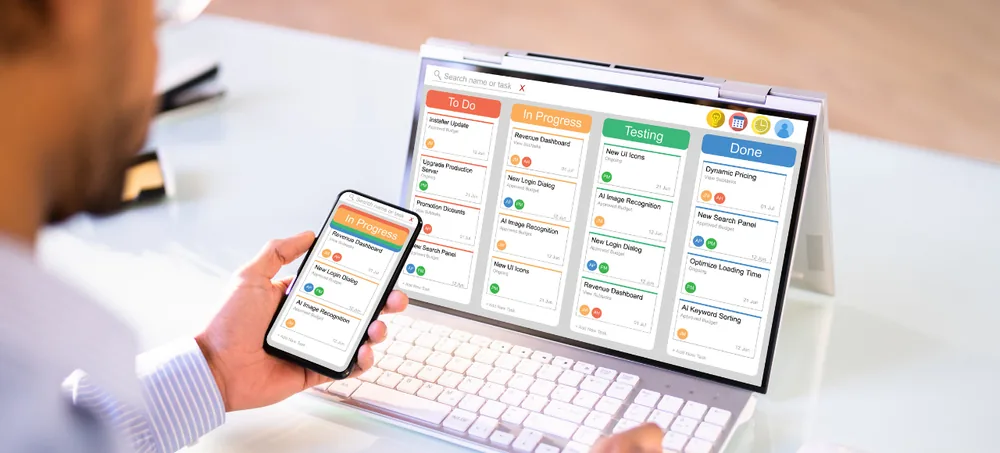
An e-commerce website is more than a collection of product pages. It is a complete digital buying environment where customers discover products, compare options, evaluate information, add items to a cart, make payments and return for future purchases.
Design of e commerce Bangalore projects at EchoPx start from practical customer journeys: we provide professional design of e commerce in Bangalore for businesses that need an online store built around clear product presentation and efficient business operations.
Whether you are planning your first online store, replacing an outdated e-commerce website, redesigning an existing platform or introducing new online sales workflows, your website needs to connect design, technology and commerce processes.
Our approach to e commerce website design in Bangalore considers the complete buying experience: homepage structure, navigation, product categories, product pages, search, filtering, shopping carts, customer accounts, checkout flows, payment integrations, order information and the administrative workflows required to manage an online business.
The objective is not simply to make an e-commerce website look attractive. The website should help customers find what they need, understand what they are buying and move through the purchasing process with minimal unnecessary complexity.
For businesses in Bengaluru and beyond, EchoPx develops e-commerce solutions based on business requirements, product structures, operational processes and customer expectations.
Get a Free Quote
E-Commerce Experience Backed by Established Project Delivery
These figures represent the broader experience of EchoPx and provide a foundation for understanding the technical, operational and customer-experience considerations involved in building business-focused digital solutions.
Why E-Commerce Website Design Requires More Than Visual Design
Many businesses begin an e-commerce project by thinking primarily about colours, banners, product photographs and homepage layouts. Visual design is important, but a successful online store requires decisions across a much wider range of areas. Your e-commerce website is simultaneously a storefront, product catalogue, search interface, sales channel, ordering system and customer interaction point.
A design decision on one page can influence the complete customer journey. A large product catalogue without well-planned categories can make discovery difficult. A visually polished product page without clear variations or product information can create uncertainty. An unnecessarily complex checkout process can create additional steps at the most important stage of the transaction.
Professional ecommerce web design in Bangalore therefore needs to consider the interaction between design and business processes. EchoPx looks at how customers move through the website and how the website connects with the operational requirements behind those interactions.
Common E-Commerce Problems That Businesses Need to Solve
Customers Cannot Find the Right Products Quickly
Online stores often grow organically. New products, categories and variations are added over time without reviewing the overall information architecture, which can lead to confusing navigation, overlapping categories, inconsistent filters and long journeys from the homepage to a product. A structured product architecture helps customers understand where to look and gives the business a more manageable catalogue. Depending on the store, this may include:
Category hierarchies · Subcategories · Attributes · Filters · Sorting options · Internal search · Related-product navigation
Product Pages Do Not Answer Buying Questions
Customers cannot physically inspect an online product, so the product page has to communicate the information required for an informed purchase. Fashion, industrial equipment, electronics, home products, food products and B2B supplies all require different product-information structures, and our ecommerce website design process evaluates these requirements before creating page structures. An effective product page may need to organize:
Product titles · Images · Specifications · Variations · Availability information · Pricing · Descriptions · Buying options · Supporting information · Related products
The Mobile Shopping Experience Is Difficult
Customers may arrive through mobile search, social platforms, advertisements, direct links or messaging applications. If navigation, product selection or checkout becomes difficult on a smaller screen, even a strong desktop design may not provide an effective overall shopping experience. Responsive e-commerce design considers mobile navigation, tap targets, image presentation, filters, forms, product selections, cart interactions and checkout steps.
The Checkout Process Contains Unnecessary Friction
Customers typically need to review their order, provide required information, select applicable delivery options and complete payment. Poor information hierarchy, confusing forms or unnecessary steps can make the process difficult to understand. Checkout design should focus on clarity: customers should know where they are in the process, what information is required and what action comes next.
Product and Order Administration Becomes Time-Consuming
An e-commerce website also needs to work for administrators. Managing products, categories, images, prices, orders and other store information becomes difficult as the catalogue expands. The administrative experience should be considered during planning rather than treated as a secondary requirement. EchoPx evaluates what information the business needs to manage and how commonly repeated tasks can be structured more effectively.
Different Business Systems Operate Separately
Growing businesses may need the e-commerce platform to exchange information with payment services, business applications, inventory processes, accounting workflows, marketing tools, logistics services or other software. When these systems remain disconnected, employees may need to move information manually. Integration requirements should be discussed during ecommerce website development planning rather than after the website is completed.
An Existing Store Has Become Difficult to Maintain
Not every project requires starting from zero. Businesses frequently approach an ecommerce website development company in Bangalore because an existing store has gradually become difficult to manage, with outdated page layouts, inconsistent content, complex navigation, limited mobile usability, changing business requirements or accumulated custom functionality. An e-commerce redesign can address these issues while preserving the useful parts of the current business process.
E-Commerce Website Design and Development Solutions in Bangalore
EchoPx provides ecommerce website design and development services for businesses at different stages of digital commerce. Our work can support new e-commerce launches, existing store redesigns, new customer journeys and evolving business requirements. The exact solution is determined by the products you sell, the people you sell to, the purchasing process and the operational workflows supporting the website.
Custom E-Commerce Website Design
Your online store should reflect your brand while remaining easy to understand and use. Custom design focuses on page structures and interactions appropriate for the business rather than forcing every company into the same layout. This can include homepage planning, category-page structures, product-page layouts, navigation, promotional areas, cart experiences and other commerce-focused interfaces, considering both visual consistency and practical usability.
Responsive E-Commerce Design
Customers interact with e-commerce websites across different screen sizes. For an online store, responsiveness has to go beyond simply resizing content: product grids, menus, filters, product galleries, quantity selectors, variation options, forms, shopping carts and checkout interfaces should remain understandable and usable across supported devices.
E-Commerce UI/UX Design
UI design focuses on the interface customers interact with, while UX design considers the overall experience of completing a task. For e-commerce businesses, important tasks can include finding a product, browsing a category, comparing alternatives, selecting a variation, checking information, adding a product to the cart, updating quantities and completing checkout. Our approach organizes these activities into understandable customer journeys.
Product Catalogue Design
Catalogue design establishes the structure connecting products, categories, subcategories and product attributes. A catalogue should reflect how customers think about products rather than simply reproducing an internal inventory structure. Before planning category pages, useful questions include:
How do customers search for products? · Which attributes influence purchasing decisions? · Do customers browse by product type, application, brand, size, specification or another characteristic? · How many levels of categories are necessary? · Which filters provide meaningful choices?
The answers shape the information architecture of the store.
Product Page Design
The product page is where interest turns into a purchase decision. A well-planned product page creates a clear hierarchy for the information customers need. Depending on the business, this can include product images, descriptions, technical details, product options, quantity controls, related items and purchase actions, avoiding both hard-to-find information and unnecessary clutter.
Shopping Cart Design
The shopping cart gives customers an opportunity to review their intended purchase, including selected items, quantities, variations and price information. A practical cart interface should make these actions straightforward and should clearly indicate how customers proceed to checkout or continue shopping.
Checkout Experience Design
Checkout design is about clarity and completion. The required steps vary depending on the business model, payment process and delivery requirements. During planning, we examine the information that must be collected, the order in which it is requested and how each stage is communicated, avoiding unnecessary complexity where possible.
Customer Account Experiences
Some e-commerce businesses benefit from customer accounts that allow buyers to review information related to previous transactions or manage relevant details. The specific account features should follow actual customer and business requirements rather than adding functions without a practical purpose.
Search and Product Filtering
Stores with larger catalogues frequently require efficient product discovery tools. Search can help customers who already know what they are looking for, while filters help users narrow a broader product set. A clothing store may organize information around size, category and other attributes; a technical B2B catalogue may need specifications, applications or equipment compatibility. Our ecommerce designers plan these elements around the way products are actually evaluated.
E-Commerce Features Designed for Business Use
Product Management
Provides the administrative structure for adding and maintaining items in the online catalogue. Product information may include titles, descriptions, images, categories, variations, specifications and pricing information.
Problem solved: Reduces reliance on manually creating individual static product pages.
Business usage: Teams can manage catalogue information through defined product structures.
Operational value: Provides a centralized way to organize online product information.
Category Management
Categories help customers browse groups of related products.
Problem solved: Prevents large catalogues from becoming an unstructured collection of pages.
Business usage: Products can be organized according to relevant category and subcategory structures.
Operational value: Creates clearer catalogue administration while improving customer navigation.
Product Variations
Some products are available in multiple options.
Problem solved: Avoids creating completely separate product journeys when choices belong to the same product family.
Business usage: Applicable variations can be presented as selectable options.
Operational value: Helps structure related product options in a manageable way.
Product Search
Helps customers directly locate relevant products or categories.
Problem solved: Customers do not need to manually browse multiple category levels when they already know what they need.
Business usage: Search can provide another route into the catalogue alongside standard navigation.
Operational value: Makes larger product catalogues easier to explore.
Product Filters
Filters narrow available products according to meaningful attributes.
Problem solved: Large category pages can become difficult to browse when many products are displayed together.
Business usage: Customers refine results based on relevant product characteristics.
Operational value: Supports structured product discovery without creating excessive category pages.
Shopping Cart
The cart stores products selected during a shopping session before checkout.
Problem solved: Customers need a clear way to review selections before completing an order.
Business usage: Items and quantities can be checked and modified according to the store configuration.
Operational value: Creates an organized transition from browsing to checkout.
Checkout Workflow
Collects the information necessary to process an online purchase.
Problem solved: Unstructured ordering creates confusion for both customers and administrators.
Business usage: Required customer, order, delivery and payment stages can be organized into a defined process.
Operational value: Creates a consistent purchasing workflow.
Payment Gateway Integration
Online stores may need to integrate with suitable payment services based on business requirements.
Problem solved: Customers need an appropriate way to make digital payments during checkout.
Business usage: Payment options can be connected to the checkout flow according to the selected provider and project requirements.
Operational value: Links online ordering with the chosen payment process.
Order Management
Helps administrators review and process purchases received through the website.
Problem solved: Managing online orders manually through disconnected messages or spreadsheets can become inefficient as transaction volume grows.
Business usage: Teams can work with order information through an organized workflow.
Operational value: Centralizes important online-order information.
Reporting Requirements
Businesses need visibility into relevant e-commerce activity.
Problem solved: Without structured information, managers may have difficulty understanding what is happening through the digital sales channel.
Business usage: Reporting requirements can be planned around the information the organization needs to review.
Operational value: Provides a more structured basis for operational decision-making.
Our E-Commerce Website Design Workflow
1. Business and Requirement Discovery
The project begins by understanding the business rather than immediately selecting page layouts. This discovery stage helps define the actual scope of the e-commerce solution. We examine questions such as:
What do you sell? · Who are the intended customers? · Is the business primarily B2C, B2B or a combination? · How large is the product catalogue? · How are products categorized? · Are variations required? · How do customers currently place orders? · Which processes happen after an order is received? · Does the website need to exchange information with other applications? · What should administrators be able to manage?
2. Customer Journey Planning
Next, we consider how different types of visitors are expected to navigate the website. A typical shopping journey may move through landing page → category → product → cart → checkout → order confirmation, but that is only one path. A customer arriving from search may land directly on a product page, a returning customer may use search immediately, and a B2B buyer may need to locate an item by specification rather than browse promotional categories. Mapping these journeys helps determine navigation and page requirements.
3. Information Architecture
Information architecture defines how content and products are structured, and creates a stronger foundation for both user experience and search visibility. This stage may establish:
Primary navigation · Product categories · Subcategories · Supporting pages · Filters · Product attributes · Internal links
4. Wireframing
Wireframes establish page structure before visual styling becomes the main focus and help define the placement and priority of important elements. For an e-commerce website, wireframes may cover the homepage, category templates, product templates, search results, cart, checkout and other key interfaces, so layout decisions can be reviewed in the context of customer tasks.
5. UI Design
Visual design applies the brand presentation to the approved page structures. Typography, colour, spacing, imagery, interactive components and interface patterns are developed into a consistent visual system. The goal is an identifiable brand experience without allowing decorative elements to interfere with shopping tasks.
6. E-Commerce Development
Approved interfaces are developed into a functioning e-commerce website. The development phase connects customer-facing pages with catalogue, cart, checkout and administrative functionality according to project requirements.
7. Integration Configuration
Where the project requires external systems or services, relevant integrations can be planned and implemented based on supported interfaces and business requirements. This may include applicable payment, business application or other service integrations.
8. Content and Catalogue Preparation
Product information has a major influence on the quality of an e-commerce website. A technically complete store can still provide a weak buying experience if product names, descriptions, categories, images and specifications are inconsistent, so catalogue preparation is treated as part of the overall implementation process.
9. Testing
Before launch, important customer journeys and administrative workflows should be reviewed. Testing may cover navigation, responsive layouts, forms, catalogue behavior, cart interactions, checkout stages and applicable integrations. Specific testing requirements depend on the project scope.
10. Launch and Continued Improvement
Launching the website creates the beginning of live customer interaction. As the business learns from actual usage, additional design, content, catalogue and workflow improvements may become relevant. E-commerce should be treated as an evolving business channel rather than a website that never changes after publication.
Benefits of Professional E Commerce Website Design
Better Product Discovery
Structured navigation, categories, search and filters help customers move through a catalogue without unnecessary effort. When customers can understand how the catalogue is organized, they have clearer paths to relevant products.
Clearer Purchasing Journeys
A coherent journey from product discovery through cart and checkout makes the website easier to understand. Customers should not need to guess what action is expected at each stage.
Stronger Brand Presentation
An independent e-commerce website gives businesses more control over how products, information and brand elements are presented, aligned with the organization rather than a generic marketplace presentation.
Mobile-Friendly Shopping
Responsive ecommerce website design supports customers who browse and buy using mobile devices. This requires mobile-aware decisions throughout the customer journey rather than simply adapting desktop pages after they are complete.
More Organized Catalogue Management
A structured e-commerce platform provides a central environment for organizing online product information, which becomes increasingly important as the number of categories, products and variations increases.
Defined Online Sales Processes
Instead of relying only on calls, messages or manually coordinated interactions, applicable parts of the sales process can move through a defined digital journey.
Better Operational Visibility
When customer interactions and orders follow structured workflows, teams can work with more organized information about e-commerce activity. The precise reporting and management requirements can be defined during implementation.
Foundation for Future Requirements
Businesses change. New products, categories, processes and integrations may become relevant over time, and planning the initial architecture carefully can make future changes easier to evaluate and implement.
E-Commerce Website Design for B2C, B2B and Redesign Projects
E-Commerce Website Design for B2C Businesses
Consumer-facing e-commerce websites must often support quick product discovery and straightforward purchase decisions. However, B2C e-commerce is not a single design pattern: a store selling ten premium products requires a different information architecture from a catalogue containing thousands of items. EchoPx evaluates the catalogue and customer journey before defining the interface. Important design considerations can include:
Visual product presentation · Intuitive navigation · Category browsing · Mobile usability · Promotional areas · Variations · Cart usability · Checkout clarity
B2B E-Commerce Website Development
Business-to-business e-commerce can involve purchasing workflows that differ significantly from consumer retail. Customers may search by specifications, reference numbers, applications, categories or predefined product characteristics, and some catalogues require detailed technical information and more structured navigation. The website may also need to support business-specific ordering or enquiry workflows. Our approach to B2B ecommerce website development begins with documenting the purchasing process and translating relevant stages into a practical digital experience.
E-Commerce Website Redesign in Bangalore
An existing online store may still function technically while becoming increasingly difficult for customers or administrators to use. A redesign should not begin by changing colours alone: the first step is understanding what the current website does well, what creates difficulty and what has changed in the business since the original store was created. Typical areas for review include:
Navigation structure · Homepage hierarchy · Category organization · Product templates · Mobile layouts · Product search · Filters · Shopping cart · Checkout · Administrative workflows
SEO-Friendly, Mobile-First and Integrated E-Commerce
SEO-Friendly E-Commerce Website Structure
Search engine optimization should be considered during e-commerce website planning. E-commerce websites can contain significant numbers of categories, products, attributes and filter combinations, and without a logical structure this complexity can affect both users and search engines. SEO-aware ecommerce website development may consider:
Page hierarchy · Descriptive URLs · Category content · Product information · Internal linking · Breadcrumb structures · Page titles · Metadata · Technical indexation requirements
SEO also depends heavily on the quality and uniqueness of website content. Category descriptions should help users understand what is available, product information should explain products accurately, and supporting content can address questions customers ask before buying. SEO cannot replace a useful website: the strongest foundation is one that organizes information clearly for customers while making important content accessible to search engines.
Mobile-First E-Commerce Considerations
Mobile customers interact differently from desktop users because screen space is limited and touch interactions replace mouse-based navigation. A mobile e-commerce experience should be planned from the beginning of the design process instead of treated as a smaller copy of a desktop layout. Important considerations include:
Compact navigation that remains understandable · Readable product information · Product images that remain useful without overwhelming the page · Easy-to-select product options · Accessible filters · Clear cart controls · Forms designed for smaller screens · Visible checkout progression
E-Commerce Integrations
Businesses evaluating an ecommerce development company in Bangalore should identify integration requirements early. An integration connects the website with another application or service through available technical interfaces; the exact possibilities depend on the systems involved. During discovery, EchoPx can evaluate integration requirements according to the systems selected for the project. This planning matters because integration requirements can influence website architecture, data structures and implementation scope. Potential areas:
Payment services · Inventory processes · Accounting-related workflows · CRM applications · ERP environments · Logistics applications · Marketing platforms · Other business systems
E-Commerce Website Design for Different Industries
Retail and Consumer Products
Retail e-commerce requires intuitive browsing and strong product presentation. Category structures, product imagery, variations, related items, cart interactions and mobile shopping are common considerations, and the experience should reflect the type and size of the catalogue.
Fashion and Lifestyle
Fashion and lifestyle stores frequently depend on visual presentation as well as variation management. Customers may evaluate products according to style, category, size, colour or other attributes, so the website should provide sufficient information while keeping discovery straightforward.
Electronics
Electronics catalogues can require detailed technical specifications and comparison-oriented product discovery. Category architecture and filters become particularly important when multiple products have similar names but different capabilities.
Home and Furniture
Home-related online stores often depend heavily on product imagery, dimensions, material information, variations and descriptive content. The product page should give customers an organized view of the information required to evaluate the item.
Beauty and Personal Care
Beauty catalogues may require navigation based on product type, application, characteristics or related product groups. Content structure can play an important role in helping customers understand how different products relate to their requirements.
Food and Specialty Products
Food and specialty product stores need clear category organization and product information appropriate to what is being sold. Order and delivery workflows should be defined according to the operating model of the business.
Industrial and B2B Products
Industrial e-commerce websites can involve large catalogues, detailed specifications and customers who already understand the type of product they need. Effective search, filters and structured technical information may be more important than promotional visual elements.
Manufacturers
Manufacturers introducing digital commerce may need to convert an existing product database or catalogue into an online structure. The design process should consider product families, specifications, variants and how buyers currently identify products.
Distributors and Wholesalers
Distributors may manage broad catalogues covering multiple categories or product families. A scalable information architecture becomes important because customers need to locate items efficiently without navigating excessive layers.
What to Consider Before Hiring an E-Commerce Website Design Company in Bangalore
Choosing an ecommerce website design company should involve more than comparing visual portfolios. Businesses should understand how the provider approaches requirements, user experience, catalogue structure, development and operational workflows.
Does the Team Understand Your Business Model?
A technically capable team still needs to understand what you sell and how your customers buy. The requirements of B2C retail, B2B supply, manufacturing and specialized product sales are different.
Does the Process Include UX Planning?
Visual mockups should not be the first and only design activity. Ask how navigation, information architecture, wireframes, product discovery and checkout are planned.
How Will the Product Catalogue Be Structured?
Catalogue architecture becomes fundamental to both user experience and ongoing administration. Businesses should identify categories, variations, attributes and filters before large numbers of products are imported.
What Does the Project Scope Include?
E-commerce development pricing is heavily influenced by scope. Two websites described as an "online store" can require completely different amounts of design and development work, and a small catalogue with standard purchasing functionality is fundamentally different from a large platform involving complex product relationships, integrations and business workflows.
What Integrations Are Required?
Integrations can significantly affect implementation. List required external systems during initial discussions rather than adding them late in development.
Who Will Provide Product Information?
The project needs a clear plan for product titles, images, descriptions, categories, specifications and other catalogue data. Content preparation can become a major project dependency if responsibilities are not established early.
What Happens to an Existing Website?
Redesign and migration projects require additional planning. Existing URLs, catalogue structures, content and customer journeys should be reviewed before changes are implemented.
E-Commerce Website Development Pricing in Bangalore
There is no single meaningful price for every ecommerce website because project requirements vary substantially. E-commerce website design cost can depend on factors such as:
- Catalogue size and complexity
- Number of unique page templates
- Design requirements
- Product variations
- Search and filtering needs
- Checkout requirements
- Payment integrations
- External system integrations
- Data migration requirements
- Administrative workflows
- Content and catalogue preparation
- Testing requirements
- Custom development requirements
A useful quotation starts with requirements discovery. Businesses comparing ecommerce website development pricing in Bangalore should compare scope as carefully as price: a lower quotation may include fewer design stages, fewer integrations or less custom functionality, while a higher quotation may represent a substantially different technical scope. EchoPx can review your requirements and define the relevant project components before commercial discussions are finalized. For a fuller breakdown, see the guide to the cost of developing an e commerce website in Bangalore.
Practical E-Commerce Workflow Examples
Customer Purchase Workflow
Customer visits the website → browses or searches for products → selects a product → reviews product information → chooses applicable options → adds the item to the cart → reviews the order → enters required checkout information → selects an available payment method → places the order → receives appropriate order information.
Each stage should have a clear purpose and should guide customers toward the next logical action.
Product Administration Workflow
Administrator signs in → creates or edits product information → selects the applicable category → updates product details → adds relevant images and attributes → reviews information → publishes or updates the product.
A defined administration workflow helps keep catalogue information consistent.
Order Processing Workflow
Order is received → required order information becomes available to the business → team reviews applicable details → order moves through the organization's defined processing stages → relevant status information is updated.
The exact steps depend on the operating model of the business.
Catalogue Update Workflow
Business identifies new or changed product information → appropriate catalogue records are reviewed → categories, specifications, variations or other details are updated → changes are checked before publication.
Planning these workflows is especially important for stores where products change frequently.
Reporting Workflow
Relevant e-commerce information is captured → authorized teams review applicable operational information → managers use available reports to understand activity and support business decisions.
Reporting requirements should be defined according to actual management needs rather than adding unnecessary dashboards.
Why Choose EchoPx for E Commerce Website Design in Bangalore?
EchoPx is a custom ecommerce website design and development company. We approach e-commerce as both a customer-facing experience and an operational business system, and our focus is on understanding the requirement before defining the solution.
19+ Years, 1500+ Clients, 1700+ Projects
Our broader technology experience provides context for projects where website requirements intersect with business workflows and digital operations. Experience across a substantial client base has exposed our teams to varied business requirements, and project experience provides a foundation for structured discovery, design, development and implementation processes.
Business-Focused Requirement Analysis
We begin by understanding products, customers, operational processes and project objectives. This helps distinguish essential features from functionality that does not provide meaningful business value.
Customer Journey Planning
We consider how customers discover, evaluate and purchase products rather than designing every page independently.
Structured E-Commerce UX
Navigation, product categories, product pages, search, filters, carts and checkout are considered as interconnected parts of the purchasing journey.
Configuration Around Business Requirements
Every organization has its own catalogue and workflows. We plan e-commerce functionality according to documented requirements instead of assuming that every online business should operate in exactly the same way.
Integration-Oriented Planning
Where external systems are relevant, integration requirements can be considered during architecture and implementation planning.
Local E-Commerce Development in Bangalore
Businesses searching for ecommerce website designers in Bangalore can work with a technology company familiar with the Bengaluru business environment while planning digital solutions for broader customer markets.
How Bangalore Businesses Search for E-Commerce Design
Businesses researching this topic ask for design of e commerce Bangalore teams can plan with them, e commerce website design Bangalore owners can review, an ecommerce website design company Bangalore buyers can brief, ecommerce web design Bangalore specialists and ecommerce designers Bangalore who understand catalogues. Others look for an e commerce development company Bangalore, ecommerce website development Bangalore support, online store design Bangalore, an ecommerce web development company Bangalore and a custom ecommerce website Bangalore businesses can grow with.
Longer searches include professional e commerce website design in Bangalore, e commerce website design and development company Bangalore, custom ecommerce website development services Bangalore, responsive ecommerce website designers Bangalore, ecommerce website design services for businesses in Bangalore and an ecommerce development company for online stores Bangalore. Buyers also look for an ecommerce website redesign company Bangalore, mobile-friendly ecommerce website design Bangalore, an ecommerce UI UX design company Bangalore, SEO-friendly ecommerce website development Bangalore and B2B ecommerce website development Bangalore, as well as B2C ecommerce website design Bangalore for consumer-facing stores.
The work behind the design covers an online shopping website, e-commerce user experience, product catalog design, shopping cart development, checkout design, product page design, category page design, payment gateway integration, order management and inventory integration. It also covers mobile commerce, a responsive online store, ecommerce UI UX, ecommerce SEO, product search, product filters, customer account design, online payment, ecommerce platform choices, ecommerce website redesign, digital commerce, conversion-focused web design, website development, ecommerce integrations and online store development.
These searches come from businesses across Bangalore, Bengaluru and Karnataka: e commerce website design Bangalore, ecommerce development Bangalore, ecommerce website designers Bengaluru, an ecommerce company Bangalore, ecommerce web development Bengaluru, online store development Bangalore, an ecommerce design company Bengaluru and ecommerce website development Karnataka. EchoPx, based in Rajajinagar, Bengaluru, works with businesses across Karnataka and India.
Find Us in Bangalore
EchoPx, Rajajinagar
Address:
177, 19th Main Rd, A Block, Milk Colony, Rajajinagar, Bengaluru 560021
Landmark: Sri Shakti Devi Karumari Amman Temple
Phone: +91 97399 66977
Email: info@echopx.com
Office hours:
Monday to Friday: 10am to 5pm
Saturday: 10am to 2pm
Sunday: closed
Areas served in and around Bangalore:
- Rajajinagar (HQ)
- Malleshwaram
- Vijayanagar
- Basaveshwaranagar
- Nandini Layout
- Prakash Nagar
- Kamakshipalya
- Yeshwanthpur
- Mahalakshmipuram
- ISRO Layout
Frequently Asked Questions About E-Commerce Website Design in Bangalore
What is e commerce website design?
E commerce website design is the process of planning and designing a website where customers can discover products, review product information, add products to a shopping cart and complete an online purchasing workflow. It includes information architecture, navigation, product pages, responsive layouts, shopping-cart experiences, checkout interfaces and other elements required for an online store.
Why should I choose a professional ecommerce website design company in Bangalore?
A professional ecommerce website design company can help plan both the customer experience and the technical functionality behind the store. For Bangalore businesses, working with an experienced technology team can make requirement discussions, catalogue planning, integrations and implementation easier to coordinate.
How much does ecommerce website design cost in Bangalore?
E-commerce website development pricing depends on project scope. Catalogue size, unique page designs, integrations, checkout requirements, product variations, migration, custom development and administrative requirements can all influence cost. Requirements should be documented before comparing quotations.
How long does an ecommerce website take to develop?
Implementation timelines depend on the size and complexity of the project. A store with a limited catalogue and straightforward workflows requires a different implementation effort from a platform with extensive products, complex integrations, migration requirements and custom functionality. A timeline should be established after requirements and scope are defined.
Can you redesign an existing ecommerce website?
Yes. An existing e-commerce store can be reviewed for improvements to navigation, user experience, product organization, mobile layouts, product templates, cart and checkout flows. Redesign requirements should be based on the current website, business priorities and technical environment.
Can an ecommerce website be customized?
Yes. E-commerce interfaces, catalogue structures, workflows and supported functionality can be configured and developed according to documented business requirements and the capabilities of the selected technology environment. Customization scope should be established during project discovery.
Can payment gateways be integrated?
Payment gateway integration can be included when supported by the selected provider, platform and project requirements. The appropriate payment options depend on the business, customer requirements and chosen service provider.
Can my ecommerce website integrate with other business software?
Integration may be possible where the relevant systems provide suitable interfaces. Requirements involving ERP, CRM, inventory, accounting, logistics, marketing or other applications should be identified early so they can be evaluated as part of solution planning.
Will my ecommerce website work on mobile devices?
Responsive design should be included as a core e-commerce requirement. Navigation, category pages, product pages, filters, cart interfaces, forms and checkout workflows should all be planned for smaller screens as well as desktop environments.
Is ecommerce SEO considered during website development?
SEO considerations can be incorporated into website architecture and development. Areas may include URL structures, category hierarchy, metadata, internal linking, product information, mobile usability and indexation requirements. Ongoing search performance also depends on content quality, competition and continuing optimization.
Can you create an ecommerce website for B2B companies?
Yes. B2B e-commerce requirements can be planned around the purchasing process, product catalogue, customer types and business workflows. B2B websites may require different search, filtering, technical-information and ordering structures from consumer-oriented stores.
Can an e-commerce site support a large product catalogue?
Large product catalogues require careful planning of categories, attributes, search, filters and administration. Scalability requirements should be discussed during discovery so the catalogue structure and technical implementation reflect expected business needs.
What information do I need before starting an e-commerce project?
Useful information includes your product catalogue, category structure, target customers, buying process, payment requirements, existing systems, integration needs, content availability and administrative workflows. You do not need to have every detail finalized before speaking with an e-commerce development company, but documenting these areas helps define project scope.
Should I redesign or rebuild my existing online store?
The answer depends on the condition of the current website. If the underlying structure continues to meet business requirements, selected design and UX improvements may be appropriate. If the catalogue architecture, technology or workflows no longer support current requirements, a broader rebuild may need to be evaluated.
How should products be organized for an online store?
Products should be organized according to how customers understand and search for them. The structure may use categories, subcategories, variations, specifications and filters. Internal product classifications do not always translate directly into good customer-facing navigation, so catalogue architecture should be reviewed from the buyer's perspective.
What makes a good ecommerce product page?
A good product page presents the information needed to evaluate a purchase in a clear hierarchy. Depending on the product, this may include images, descriptions, specifications, available options, quantity selection, pricing information and related products. The exact structure should match the buying decision customers need to make.
What is the difference between ecommerce design and ecommerce development?
Ecommerce design focuses primarily on customer journeys, information architecture, page layouts, UI and usability. Ecommerce development turns those designs and requirements into functioning catalogue, cart, checkout, administrative and integration workflows. Effective e-commerce projects require design and development to work together.
Do I need a mobile-first ecommerce website?
Mobile usability should be treated as an essential part of modern e-commerce planning. Customers may discover and purchase products through different devices, so product browsing, filters, forms, carts and checkout processes need to remain usable on smaller screens.
Can EchoPx help plan my ecommerce requirements?
Yes. Requirement discovery can cover your products, customer types, catalogue structure, purchasing journey, administrative processes and applicable integration needs. These discussions help define an appropriate project scope before development begins.
Where is EchoPx located?
EchoPx is at 177, 19th Main Rd, A Block, Milk Colony, Rajajinagar, Bengaluru 560021, near Sri Shakti Devi Karumari Amman Temple. See the map and office hours in the Find Us in Bangalore section above.
What other ecommerce services does EchoPx offer?
EchoPx is a custom ecommerce website design and development company. Related pages cover ecommerce website redesign services, web design for ecommerce websites in Bangalore, ecommerce development in Bangalore, e commerce website developer in Bangalore and ecommerce features.
Build Your E-Commerce Website with EchoPx
Your online store should do more than display products. It should help customers discover what they need, understand their options and complete the purchasing journey through a clear, structured experience. At the same time, it should give your business an organized foundation for managing products, orders and related digital commerce workflows.
EchoPx provides professional design of e commerce in Bangalore for businesses planning new online stores, e-commerce redesigns and customized digital commerce experiences. With 19+ years of experience, 1500+ clients and 1700+ projects, EchoPx brings broader technology and project experience to the planning and delivery of business-focused digital solutions.
Whether you are launching a B2C online store, developing a B2B commerce platform, reorganizing a growing catalogue or improving an existing e-commerce website, the project begins with understanding your products, customers and business processes.
Looking for an e commerce website design company in Bangalore? Discuss your product catalogue, customer journey, website redesign, responsive e-commerce design, payment requirements, integrations and business workflows with our team.
Email: info@echopx.com